
Walking in Holiness: Ancient Wisdom for Modern Times
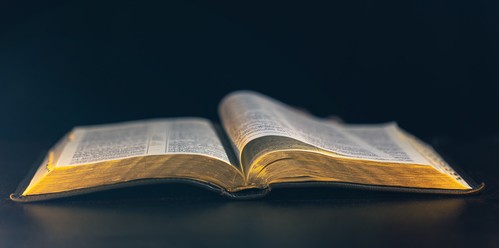
The ancient Scriptures have a way of speaking directly into our contemporary lives, cutting through cultural noise to reveal timeless truths about how we're called to live. When we encounter passages that seem uncomfortable or culturally distant, we're often standing at the threshold of profound revelation about God's heart for His people.
The Responsibility of Brotherhood
One of the most striking themes that emerges from Scripture is our responsibility toward one another. The biblical command not to ignore a brother's wandering livestock might seem quaint to modern ears, but it reveals something essential about community: we are our brother's keeper.
This isn't just about property—it's about people. When we see someone's "ox or sheep going astray," we're witnessing a metaphor for human souls wandering into dangerous territory. The instruction is clear: don't hide yourself. Don't turn away. Don't pretend you didn't see.
In our individualistic culture, we've lost something precious: the understanding that my neighbor's wellbeing is my concern. When we witness a brother or sister caught in destructive patterns, walking toward spiritual cliffs, or making choices that will bring harm, love demands we speak up. Not with judgment, but with the kind of restoration that comes from genuine care.
The New Testament echoes this ancient wisdom: "If you see your brother caught in a fault, you who are spiritual, restore such a one." This isn't about being the morality police—it's about loving people enough to help them find their way back home.
The Value of Purity
Throughout Scripture, we encounter passages that seem severe in their treatment of sexual morality. Before we dismiss these as ancient cultural artifacts, we must pause and consider: what if God is trying to show us something we've lost sight of in our hypersexualized culture?
Purity isn't a prudish concept—it's about wholeness, about reserving the deepest intimacy for the most sacred covenant. When Scripture speaks against mixing wool and linen, it's revealing a profound spiritual principle: we cannot live in duality. We cannot wear the garment of worldliness and the robe of righteousness simultaneously.
The culture around us constantly whispers that purity doesn't matter, that sexual boundaries are outdated, that intimacy without commitment is harmless. But Scripture tells a different story. It speaks of the sacred union between souls, of the covenant nature of marriage, of the profound spiritual reality that occurs when two become one flesh.
Perhaps we've become so desensitized by what we see on every screen, in every story, that we've forgotten how valuable purity truly is. The question isn't whether God's standards are too high—it's whether we've allowed the world to lower ours.
The Courage of Mordecai
The story of Esther and Mordecai brings these themes into sharp focus. Here was a man who refused to compromise his convictions in the face of tremendous pressure. When everyone else was bowing to Haman, Mordecai stood firm. His refusal wasn't stubbornness—it was faithfulness to God.
What's fascinating is that Mordecai's stand wasn't just about him. His refusal to bow to an Amalekite—a sworn enemy of God's people—triggered a chain of events that would either result in the salvation or destruction of an entire nation. One man's courage to stand when everyone else was bowing became the hinge point of history.
The spirit of Haman—anti-Semitism, hatred of God's people—didn't die in ancient Persia. It's alive today, manifesting in new forms but driven by the same ancient evil. The question for us is whether we'll have Mordecai's courage to refuse compromise, even when it costs us.
The Beauty of Covenant Love
Amid these challenging passages, we find the breathtaking poetry of Song of Solomon—a celebration of covenant love that mirrors God's love for His people. Here we see romance, passion, and commitment intertwined.
"Let him kiss me with the kisses of his mouth, for your love is better than wine." These aren't just words about human romance—they're an allegory of the soul's longing for God, the Bride's desire for the Bridegroom.
The beauty of this book reminds us that God designed marriage to be a reflection of His relationship with us. When marriages in the church are vibrant, passionate, and committed, they become a testimony that draws others toward covenant. But when marriages are cold, dutiful, or broken, they can push people away from the very idea of commitment.
For those who are married: your relationship is a sermon. What is it preaching to the watching world? Does it make singleness look appealing, or does it showcase the beauty of two lives laid down for each other?
Wisdom for Daily Living
The book of Proverbs brings these lofty themes down to street level with practical wisdom for everyday decisions. "Wine is a mocker, strong drink is a brawler"—a warning particularly relevant during seasons of celebration when our guard might be down.
Every bad decision, every moment of compromise, every regret often has a common thread: lowered inhibitions, clouded judgment, weakened resolve. The warning isn't about legalism—it's about protection. That one drink at the office party isn't worth the calamity it might unleash.
Proverbs also reminds us that "the glory of young men is their strength, and the splendor of old men is their gray head." We need each other. The energy and passion of youth combined with the wisdom and experience of age creates something powerful. Neither generation can accomplish God's purposes alone.
The Call to Holiness
Threading through all these passages is a consistent call: be holy as God is holy. Live differently than the world around you. Don't hide when you see your brother wandering. Stand firm when pressure comes to compromise. Honor the covenant of marriage. Pursue purity. Seek wisdom.
These aren't burdensome rules designed to steal our joy—they're guardrails on the path to life. They're the wisdom of a Father who knows that certain roads lead to destruction and wants to keep His children safe.
The question before us is simple but profound: Will we have the courage to live by these standards in a culture that mocks them? Will we love our brothers and sisters enough to speak truth when they're heading toward danger? Will we stand like Mordecai when everyone else is bowing?
The ancient words still speak. The question is whether we're listening.
The Responsibility of Brotherhood
One of the most striking themes that emerges from Scripture is our responsibility toward one another. The biblical command not to ignore a brother's wandering livestock might seem quaint to modern ears, but it reveals something essential about community: we are our brother's keeper.
This isn't just about property—it's about people. When we see someone's "ox or sheep going astray," we're witnessing a metaphor for human souls wandering into dangerous territory. The instruction is clear: don't hide yourself. Don't turn away. Don't pretend you didn't see.
In our individualistic culture, we've lost something precious: the understanding that my neighbor's wellbeing is my concern. When we witness a brother or sister caught in destructive patterns, walking toward spiritual cliffs, or making choices that will bring harm, love demands we speak up. Not with judgment, but with the kind of restoration that comes from genuine care.
The New Testament echoes this ancient wisdom: "If you see your brother caught in a fault, you who are spiritual, restore such a one." This isn't about being the morality police—it's about loving people enough to help them find their way back home.
The Value of Purity
Throughout Scripture, we encounter passages that seem severe in their treatment of sexual morality. Before we dismiss these as ancient cultural artifacts, we must pause and consider: what if God is trying to show us something we've lost sight of in our hypersexualized culture?
Purity isn't a prudish concept—it's about wholeness, about reserving the deepest intimacy for the most sacred covenant. When Scripture speaks against mixing wool and linen, it's revealing a profound spiritual principle: we cannot live in duality. We cannot wear the garment of worldliness and the robe of righteousness simultaneously.
The culture around us constantly whispers that purity doesn't matter, that sexual boundaries are outdated, that intimacy without commitment is harmless. But Scripture tells a different story. It speaks of the sacred union between souls, of the covenant nature of marriage, of the profound spiritual reality that occurs when two become one flesh.
Perhaps we've become so desensitized by what we see on every screen, in every story, that we've forgotten how valuable purity truly is. The question isn't whether God's standards are too high—it's whether we've allowed the world to lower ours.
The Courage of Mordecai
The story of Esther and Mordecai brings these themes into sharp focus. Here was a man who refused to compromise his convictions in the face of tremendous pressure. When everyone else was bowing to Haman, Mordecai stood firm. His refusal wasn't stubbornness—it was faithfulness to God.
What's fascinating is that Mordecai's stand wasn't just about him. His refusal to bow to an Amalekite—a sworn enemy of God's people—triggered a chain of events that would either result in the salvation or destruction of an entire nation. One man's courage to stand when everyone else was bowing became the hinge point of history.
The spirit of Haman—anti-Semitism, hatred of God's people—didn't die in ancient Persia. It's alive today, manifesting in new forms but driven by the same ancient evil. The question for us is whether we'll have Mordecai's courage to refuse compromise, even when it costs us.
The Beauty of Covenant Love
Amid these challenging passages, we find the breathtaking poetry of Song of Solomon—a celebration of covenant love that mirrors God's love for His people. Here we see romance, passion, and commitment intertwined.
"Let him kiss me with the kisses of his mouth, for your love is better than wine." These aren't just words about human romance—they're an allegory of the soul's longing for God, the Bride's desire for the Bridegroom.
The beauty of this book reminds us that God designed marriage to be a reflection of His relationship with us. When marriages in the church are vibrant, passionate, and committed, they become a testimony that draws others toward covenant. But when marriages are cold, dutiful, or broken, they can push people away from the very idea of commitment.
For those who are married: your relationship is a sermon. What is it preaching to the watching world? Does it make singleness look appealing, or does it showcase the beauty of two lives laid down for each other?
Wisdom for Daily Living
The book of Proverbs brings these lofty themes down to street level with practical wisdom for everyday decisions. "Wine is a mocker, strong drink is a brawler"—a warning particularly relevant during seasons of celebration when our guard might be down.
Every bad decision, every moment of compromise, every regret often has a common thread: lowered inhibitions, clouded judgment, weakened resolve. The warning isn't about legalism—it's about protection. That one drink at the office party isn't worth the calamity it might unleash.
Proverbs also reminds us that "the glory of young men is their strength, and the splendor of old men is their gray head." We need each other. The energy and passion of youth combined with the wisdom and experience of age creates something powerful. Neither generation can accomplish God's purposes alone.
The Call to Holiness
Threading through all these passages is a consistent call: be holy as God is holy. Live differently than the world around you. Don't hide when you see your brother wandering. Stand firm when pressure comes to compromise. Honor the covenant of marriage. Pursue purity. Seek wisdom.
These aren't burdensome rules designed to steal our joy—they're guardrails on the path to life. They're the wisdom of a Father who knows that certain roads lead to destruction and wants to keep His children safe.
The question before us is simple but profound: Will we have the courage to live by these standards in a culture that mocks them? Will we love our brothers and sisters enough to speak truth when they're heading toward danger? Will we stand like Mordecai when everyone else is bowing?
The ancient words still speak. The question is whether we're listening.
Recent
When Fear Becomes a Cycle: Breaking Free from Repetitive Sin
February 3rd, 2026
The Spirit Hovering Over Your Life
January 1st, 2026
The Double Portion Promise: When God Restores What Was Lost
December 25th, 2025
The Sacred Call to Rebuild Your Altar
December 19th, 2025
Walking in Holiness: Ancient Wisdom for Modern Times
December 9th, 2025
Archive
2026
2025
No Comments