
When Fear Becomes a Cycle: Breaking Free from Repetitive Sin
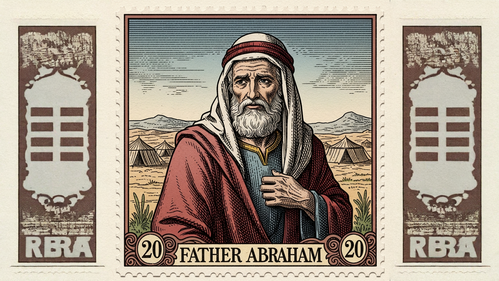
There's something deeply unsettling about reading Abraham's story in Genesis 20 and realizing he's making the exact same mistake he made years earlier. Once again, he tells a half-truth about Sarah being his sister, endangering her and bringing trouble upon an innocent king. We might shake our heads at Abraham's failure to learn, but how often do we find ourselves trapped in the same pattern?
THE QUESTION THAT CHANGES EVERYTHING
What sin keeps showing up in your life? What recurring struggle continues to pull you off course from the promise God has for you?
These aren't comfortable questions, but they're necessary ones. Abraham's repeated deception reveals something profound about the nature of sin—it often operates in cycles, fed by the same root issues that we fail to address. In Abraham's case, that root was fear.
Fear wrote the narrative of Abraham's choices. He feared for his life in a foreign land, assumed the worst about the people around him, and took matters into his own hands rather than trusting God's protection. His fear led him to compromise, to deceive, and ultimately to put the very promise God had given him at risk.
THE LIES FEAR TELLS US
Fear is a masterful liar. It blinds us to God's faithfulness and causes us to act in ways that contradict everything we know about His character. Abraham had received incredible promises from God—promises of protection, provision, and a legacy that would bless all nations. Yet in his moment of testing, he acted as though God had never spoken at all.
"I did it because I thought there is no fear of God at all in this place," Abraham confessed. Notice that dangerous phrase: "I thought." How many times have our assumptions, rooted in fear rather than faith, led us into sin?
The truth is, it's not our job to determine who walks in reverence of God and who doesn't. Our responsibility is to walk in awe and reverence of the God who is actively caring for us, regardless of our circumstances or surroundings.
GRACE IN THE MIDST OF FAILURE
Here's what's remarkable about this story: even in Abraham's failure, God identifies him as a prophet. God doesn't wait until Abraham gets it all together before using him or speaking through him. This challenges the common belief that God only hears or speaks to those who have their act together.
God came to Abimelech in a dream—a pagan king who unknowingly walked into a compromising situation. God protected him, saying, "I know that you have done this in the integrity of your heart, and it was I who kept you from sinning against me." What a picture of God's mercy working behind the scenes, blocking doors, redirecting paths, and preventing harm we don't even see coming.
How many times has God protected us from consequences we didn't even know we were walking toward? How many doors has He closed that we thought we wanted to walk through, only to realize later they would have led to destruction?
THE THOUSAND PIECES OF SILVER
The resolution of Abraham's mess includes a fascinating detail: Abimelech gives Abraham a thousand pieces of silver. In Scripture, silver consistently represents redemption. Even in the aftermath of Abraham's deception, God weaves redemption into the story.
But here's the kicker—after putting Abimelech in this terrible situation, Abraham is the one who prays for Abimelech's healing, and God answers. The very person who caused the problem becomes the vessel of healing. This is the paradox of grace.
CITIES OF REFUGE: THE POWER OF COMMUNITY
Our reading from Joshua 20 introduces us to the cities of refuge—places where someone who had accidentally caused another's death could flee for protection until their case could be fairly judged. These cities weren't just about ancient justice systems; they're a powerful foreshadowing of what the church community should be.
We all need cities of refuge. We need safe places where we can run when we've made mistakes, when we're being pursued by consequences, when we need time to heal and grow. The church should be that place—not a courtroom where we're immediately condemned, but a sanctuary where we're protected while our hearts are being restored.
Who are you serving as a city of refuge to? Who are you sheltering while God does His healing work in their life? Don't discount what you're doing. You might be protecting the next generation's spiritual leaders. You might be giving someone the time and space they need to become who God has called them to be.
THE DANGER OF ASSUMPTIONS
Job's friend Zophar represents a spirit we must guard against—the religious spirit that assumes suffering equals guilt. He delivers his argument with certainty, convinced that Job's calamities must be punishment for hidden sin. But Zophar operates on appearance and assumption rather than truth and relationship.
This mindset creates a false security: if I follow all the rules, nothing bad will happen to me. When we see someone suffering, we're tempted to assume they must have done something wrong—because if suffering is random, then it could happen to us too, and that's terrifying.
But God's justice doesn't work on our timetable or according to our limited understanding. As Proverbs reminds us, "The hearing ear and the seeing eye, the Lord made them both." We need both—not just hearing rumors or seeing circumstances, but truly understanding before we judge.
BLOWS THAT HEAL
Perhaps the most beautiful verse in our entire reading earlier comes from Proverbs 20:30: "Blows that wound cleanse away evil; strokes make clean the innermost parts."
This is Jesus. He was wounded for our transgressions, bruised for our iniquities. The chastisement of our peace was upon Him, and with His stripes we are healed. But it's not just physical healing—it's the cleansing of our innermost parts, those soul wounds that seem to get the upper hand from time to time.
The work of the cross goes deeper than we often acknowledge. It reaches into the hidden places of shame, fear, and repetitive sin. It breaks cycles we thought were unbreakable. It brings healing to wounds we thought were permanent.
MOVING FORWARD IN FAITH
So where does this leave us? With an invitation to surrender. To lay down our fear-driven narratives and pick up faith-filled truth. To stop repeating the same sins and allow God to do the deep work of transformation.
God loves us too much to allow His promises and our issues to coexist indefinitely. He doesn't want to compete with our repetitive sin cycles. He wants us fully surrendered so He can get glory through our lives.
The question isn't whether we've failed or will fail again. The question is whether we'll allow God access to those deep places where fear has taken root. Will we be honest about the cycles we're trapped in? Will we seek refuge in godly community? Will we extend to others the same grace and protection we desperately need ourselves?
There is no condemnation for those in Christ Jesus—not so we can stay stuck, but so we can freely bring everything to Him for healing. The Spirit of the Lord is ready to move within our hearts when we surrender, when we give Him access to search us and know us completely.
What repetitive cycle is the Holy Spirit laying on your heart today? He's waiting, not with condemnation, but with the redemptive power to finally set you free.
THE QUESTION THAT CHANGES EVERYTHING
What sin keeps showing up in your life? What recurring struggle continues to pull you off course from the promise God has for you?
These aren't comfortable questions, but they're necessary ones. Abraham's repeated deception reveals something profound about the nature of sin—it often operates in cycles, fed by the same root issues that we fail to address. In Abraham's case, that root was fear.
Fear wrote the narrative of Abraham's choices. He feared for his life in a foreign land, assumed the worst about the people around him, and took matters into his own hands rather than trusting God's protection. His fear led him to compromise, to deceive, and ultimately to put the very promise God had given him at risk.
THE LIES FEAR TELLS US
Fear is a masterful liar. It blinds us to God's faithfulness and causes us to act in ways that contradict everything we know about His character. Abraham had received incredible promises from God—promises of protection, provision, and a legacy that would bless all nations. Yet in his moment of testing, he acted as though God had never spoken at all.
"I did it because I thought there is no fear of God at all in this place," Abraham confessed. Notice that dangerous phrase: "I thought." How many times have our assumptions, rooted in fear rather than faith, led us into sin?
The truth is, it's not our job to determine who walks in reverence of God and who doesn't. Our responsibility is to walk in awe and reverence of the God who is actively caring for us, regardless of our circumstances or surroundings.
GRACE IN THE MIDST OF FAILURE
Here's what's remarkable about this story: even in Abraham's failure, God identifies him as a prophet. God doesn't wait until Abraham gets it all together before using him or speaking through him. This challenges the common belief that God only hears or speaks to those who have their act together.
God came to Abimelech in a dream—a pagan king who unknowingly walked into a compromising situation. God protected him, saying, "I know that you have done this in the integrity of your heart, and it was I who kept you from sinning against me." What a picture of God's mercy working behind the scenes, blocking doors, redirecting paths, and preventing harm we don't even see coming.
How many times has God protected us from consequences we didn't even know we were walking toward? How many doors has He closed that we thought we wanted to walk through, only to realize later they would have led to destruction?
THE THOUSAND PIECES OF SILVER
The resolution of Abraham's mess includes a fascinating detail: Abimelech gives Abraham a thousand pieces of silver. In Scripture, silver consistently represents redemption. Even in the aftermath of Abraham's deception, God weaves redemption into the story.
But here's the kicker—after putting Abimelech in this terrible situation, Abraham is the one who prays for Abimelech's healing, and God answers. The very person who caused the problem becomes the vessel of healing. This is the paradox of grace.
CITIES OF REFUGE: THE POWER OF COMMUNITY
Our reading from Joshua 20 introduces us to the cities of refuge—places where someone who had accidentally caused another's death could flee for protection until their case could be fairly judged. These cities weren't just about ancient justice systems; they're a powerful foreshadowing of what the church community should be.
We all need cities of refuge. We need safe places where we can run when we've made mistakes, when we're being pursued by consequences, when we need time to heal and grow. The church should be that place—not a courtroom where we're immediately condemned, but a sanctuary where we're protected while our hearts are being restored.
Who are you serving as a city of refuge to? Who are you sheltering while God does His healing work in their life? Don't discount what you're doing. You might be protecting the next generation's spiritual leaders. You might be giving someone the time and space they need to become who God has called them to be.
THE DANGER OF ASSUMPTIONS
Job's friend Zophar represents a spirit we must guard against—the religious spirit that assumes suffering equals guilt. He delivers his argument with certainty, convinced that Job's calamities must be punishment for hidden sin. But Zophar operates on appearance and assumption rather than truth and relationship.
This mindset creates a false security: if I follow all the rules, nothing bad will happen to me. When we see someone suffering, we're tempted to assume they must have done something wrong—because if suffering is random, then it could happen to us too, and that's terrifying.
But God's justice doesn't work on our timetable or according to our limited understanding. As Proverbs reminds us, "The hearing ear and the seeing eye, the Lord made them both." We need both—not just hearing rumors or seeing circumstances, but truly understanding before we judge.
BLOWS THAT HEAL
Perhaps the most beautiful verse in our entire reading earlier comes from Proverbs 20:30: "Blows that wound cleanse away evil; strokes make clean the innermost parts."
This is Jesus. He was wounded for our transgressions, bruised for our iniquities. The chastisement of our peace was upon Him, and with His stripes we are healed. But it's not just physical healing—it's the cleansing of our innermost parts, those soul wounds that seem to get the upper hand from time to time.
The work of the cross goes deeper than we often acknowledge. It reaches into the hidden places of shame, fear, and repetitive sin. It breaks cycles we thought were unbreakable. It brings healing to wounds we thought were permanent.
MOVING FORWARD IN FAITH
So where does this leave us? With an invitation to surrender. To lay down our fear-driven narratives and pick up faith-filled truth. To stop repeating the same sins and allow God to do the deep work of transformation.
God loves us too much to allow His promises and our issues to coexist indefinitely. He doesn't want to compete with our repetitive sin cycles. He wants us fully surrendered so He can get glory through our lives.
The question isn't whether we've failed or will fail again. The question is whether we'll allow God access to those deep places where fear has taken root. Will we be honest about the cycles we're trapped in? Will we seek refuge in godly community? Will we extend to others the same grace and protection we desperately need ourselves?
There is no condemnation for those in Christ Jesus—not so we can stay stuck, but so we can freely bring everything to Him for healing. The Spirit of the Lord is ready to move within our hearts when we surrender, when we give Him access to search us and know us completely.
What repetitive cycle is the Holy Spirit laying on your heart today? He's waiting, not with condemnation, but with the redemptive power to finally set you free.
Recent
When Fear Becomes a Cycle: Breaking Free from Repetitive Sin
February 3rd, 2026
The Spirit Hovering Over Your Life
January 1st, 2026
The Double Portion Promise: When God Restores What Was Lost
December 25th, 2025
The Sacred Call to Rebuild Your Altar
December 19th, 2025
Walking in Holiness: Ancient Wisdom for Modern Times
December 9th, 2025
Archive
2026
2025
No Comments